Few things are as delightful as the first sip of coffee each morning. For many of us, the moment is one of life’s simple pleasures. Yet, coffee itself is a finicky thing, and there are several factors that can contribute to your morning brew showing up as less than its best self.
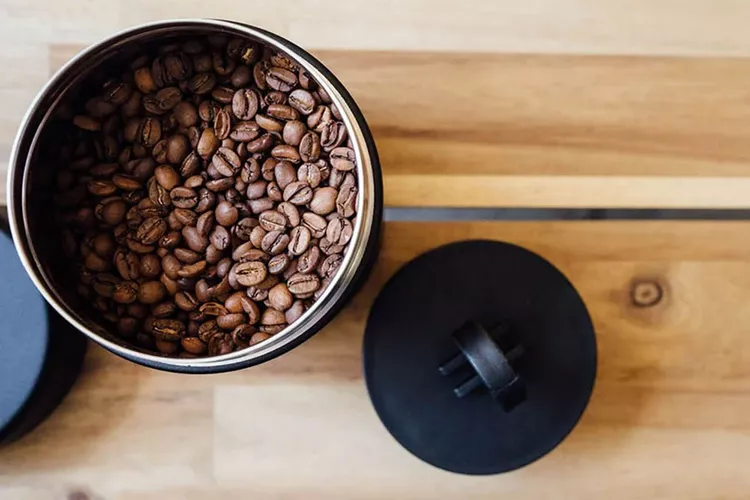
For all our talk about how to make coffee, how to grind it, and even how to keep our mugs at an optimal temperature, we rarely talk about how to properly store coffee. But storage is an essential element of how your coffee ultimately tastes each morning.
“The rule of thumb for coffee storage is to keep it away from air, moisture, heat, and light,” says Heather Calatrello, owner and head roaster at ShedLight Coffee Roasters, a small-batch roastery in San Diego. “When coffee beans are exposed to these elements, they can quickly degrade in quality.”
Keeping Coffee Comfortable
Environment matters, and Calatrello says coffee should be stored in an opaque, airtight container that is kept in a cool, dark, and dry place.
“The ideal temperature range for coffee storage is between 50 and 70 degrees Fahrenheit — room temperature in most cases. While storing coffee in the freezer or refrigerator may be tempting, it’s not recommended. Freezing and thawing coffee can cause condensation to form on the beans, which can affect their taste,” she explains. “Additionally, roasted beans are porous and can easily absorb moisture and odors from other foods in the fridge or freezer, negatively impacting flavor.”
Basically, your coffee will be happiest tucked away in a cabinet rather than kept on display on your countertops or stashed in the crisper with last week’s bag of spinach you forgot to use.
“Resist the urge to buy pretty glass canisters to showcase coffee on a shelf or counter,” says Calatrello. “Glass canisters with an airtight lid work fine for coffee storage, but only if they are placed in a cabinet away from a heat source.”
Whole Bean Versus Ground Coffee
While it’s tough to beat the convenience of ground coffee — especially on busy mornings — storing coffee in its whole bean form helps preserve freshness and flavor.
“Pre-ground coffee will never taste as good as freshly ground coffee,” says Calatrello. “This is because coffee beans begin to oxidize immediately after roasting, and the more exposure they have to the air, the faster the coffee beans expire.”
And we’re not just talking about a difference of days or weeks.
“Ground coffee has more surface area exposed to air, meaning it will go stale more quickly than whole beans. In fact, ground coffee goes stale within a few minutes of grinding,” she cautions.
Does Coffee Expire?
According to Calatrello, freshly roasted coffee beans will retain optimal freshness for about 90 days. But this only applies when the beans are still in their original vacuum-sealed bag — they’ll stay fresh for just 10-14 days once you’ve opened the bag.
This doesn’t mean you should throw your coffee out on day 15, however.
“The average coffee drinker may not notice that the coffee has begun to degrade, and ‘stale’ coffee is perfectly safe to consume,” says Calatrello. “Will it taste as good as fresh? That’s debatable.”
Of course, if you see mildew or mold growth on or around the beans, discard them. Otherwise, you’re totally fine to brew the rest of your stash.
Grind What You Need — When You Need It
Again, while it might be tempting to pre-grind a bunch of beans to set yourself up for a quick brew throughout the week, Calatrello advises against this.
“You should only grind what you will use within a few minutes,” she says. “In other words, grind for the batch you are currently brewing; do not pre-grind for future use. Since ground coffee begins to degrade immediately, we recommend grinding just before brewing for best results.”